Optimizing Business Success in Agriculture with Proper Moisture Content of Cereal Grains
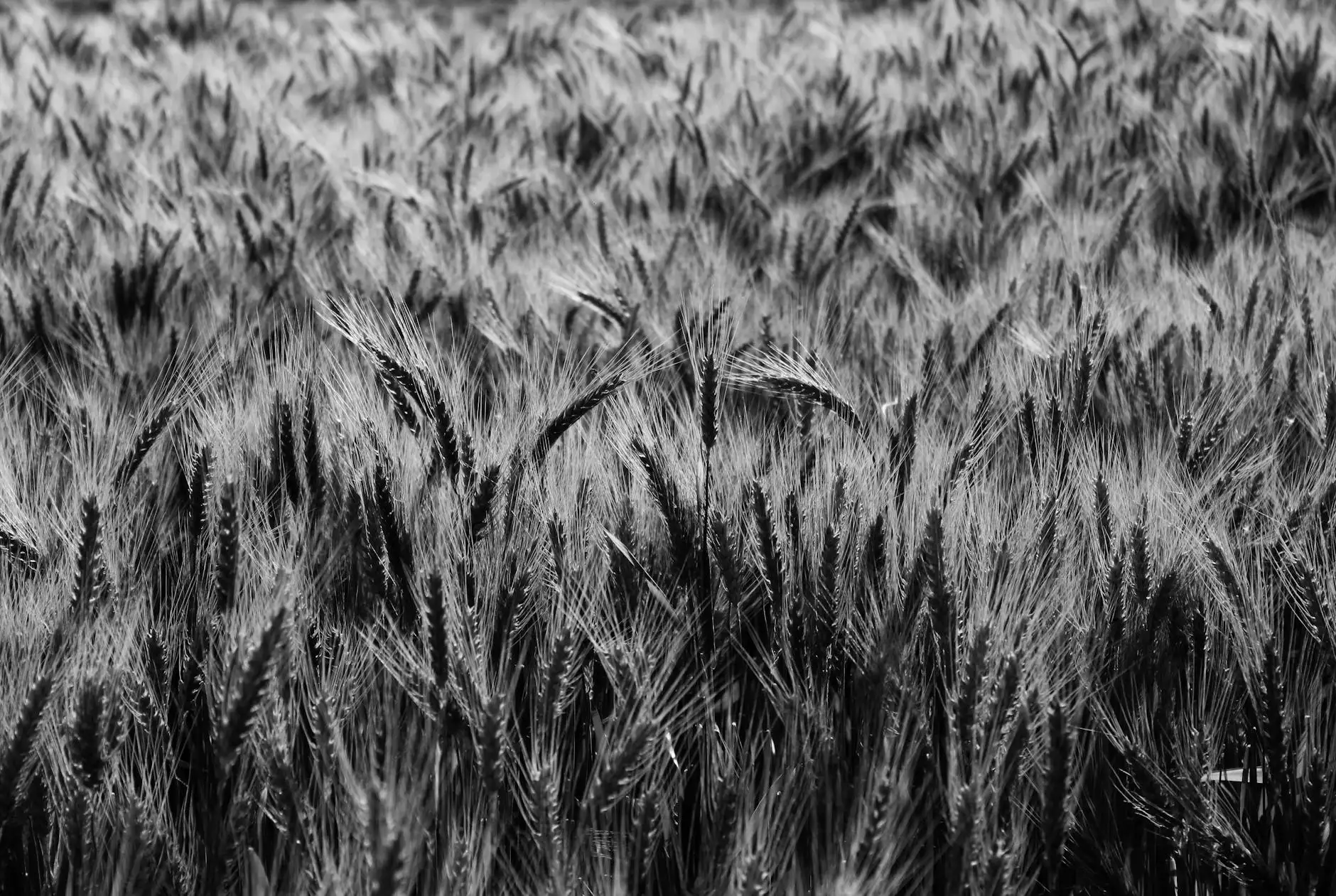
In the dynamic world of agriculture and farming equipment repair, understanding the critical role of moisture content of cereal grains is essential for maximizing crop quality, ensuring efficient storage, and boosting overall profitability. Whether you're involved in large-scale farming operations or smallholder farming, knowledge about moisture management influences every stage, from harvesting to post-harvest processing. This comprehensive guide explores the significance of moisture content, how it impacts business success, and the best practices to optimize it for sustainable growth.
Why Moisture Content of Cereal Grains Is Fundamental to Modern Agriculture
The moisture content of cereal grains directly affects the quality, storability, and market value of crops such as wheat, maize, rice, barley, and oats. Proper moisture levels are vital in preventing spoilage, mold growth, and insect infestation, which can lead to significant economic losses.
1. Impact on Grain quality and marketability
Grains with optimal moisture content are less prone to deterioration during storage. Excessively moist grains can develop mold, mycotoxins, and fermentation, rendering them unfit for sale or processing. Conversely, grains that are too dry may suffer from physical damage, such as cracking or loss of germination capacity, impacting seed viability and sale price.
2. Storage and Preservation Efficiency
Maintaining the correct moisture content of cereal grains ensures that storage conditions prolong shelf life, minimize spoilage, and reduce the need for chemical fumigation or other intervention methods. Proper moisture management directly correlates with lower operational costs and higher profit margins.
3. Equipment Performance and Maintenance
Aligning the moisture content of harvested grains with equipment specifications minimizes wear and tear on harvesters, dryers, and storage facilities. Inappropriate moisture levels can clog machinery, degrade equipment parts, and increase maintenance needs, all of which hinder business efficiency.
Understanding the Optimal Moisture Content for Different Cereal Grains
Different cereal grains demand specific moisture content levels for harvesting, drying, and storage. Recognizing these variations and adapting operational practices accordingly is essential for business success.
1. Wheat
Optimal moisture content: 13-14%
Harvesting wheat at this moisture level ensures a balance between ease of threshing and prevention of mold. Drying equipment should be calibrated to achieve this range efficiently.
2. Maize (Corn)
Optimal moisture content: 15-20%
Maize is often harvested at higher moisture levels, but rapid drying post-harvest is crucial to prevent fungal growth. Storage moisture should be kept below 15% for long-term preservation.
3. Rice
Optimal moisture content: 12-14%
Rice requires precise moisture management because both over-drying and under-drying can adversely affect milling quality and storability.
4. Barley and Oats
Optimal moisture content: 12-14%
Proper drying is essential here to prevent sprouting and maintain germination rates, especially if grains are intended for seed purposes.
Advanced Techniques for Monitoring and Managing Moisture Content
Accurate measurement and control of moisture content of cereal grains are critical components of modern agribusiness. Various instruments and strategies are employed to optimize this process.
1. Moisture Meters: Precision Tools for Farmers and Business Owners
- Digital Grain Moisture Meters: Provide quick, reliable readings within seconds.
- Laboratory Oven Methods: Offer highly accurate results but are time-consuming and suited for batch testing.
- Infrared Moisture Analyzers: Use advanced technology for rapid in-field assessments.
2. Effective Drying Techniques
- Mechanical Dryers: Air, rotary, or fluidized bed dryers ensure uniform moisture reduction, especially critical when grains are harvested above the optimal moisture range.
- Natural Sun Drying: Cost-effective but weather-dependent and less controlled, requiring ongoing monitoring.
3. Storage Solutions for Moisture Control
- Hermetic Storage: Airtight containers prevent moisture ingress and protect against pests.
- Ventilated Silos: Facilitate aeration, controlling temperature and humidity inside storage facilities.
Economic Benefits of Proper Moisture Management
Implementing rigorous control of moisture content of cereal grains delivers tangible benefits that enhance the overall profitability of farming operations and related businesses:
- Reduced Post-Harvest Losses: Proper moisture levels minimize spoilage, mold, and insect infestation, safeguarding crop value.
- Improved Market Access: Meeting national and international standards for moisture content enhances export opportunities.
- Lower Storage Costs: Efficient drying and storage techniques reduce energy and maintenance expenses.
- Enhanced Equipment Longevity: Proper moisture management reduces wear on harvesters, dryers, and storage infrastructure, leading to lower repair and replacement costs.
- Increased Crop Value: Well-maintained grains with optimal moisture levels command higher prices and better market positions.
Business Strategies Integrating Moisture Content Management and Farm Equipment Repair
Smart businesses recognize that integrating moisture content management with farm equipment repair services offers a competitive edge. TSGC Inc. specializes in providing reliable farm equipment repair and maintenance for farming equipment, ensuring operational efficiency and longevity.
1. Tailored Equipment Solutions
Offering customized repair and maintenance packages ensures that harvesters, dryers, and storage units function at peak performance, maintaining proper moisture levels.
2. Training and Support
Providing farmers with training on the use of moisture meters, drying systems, and storage solutions helps in maintaining optimal moisture content and preventing equipment failure.
3. Upgrading Traditional Equipment
Introducing advanced moisture control systems and modern drying technology can significantly improve crop quality and reduce losses, boosting the business's reputation and profitability.
The Future of Agriculture: Emphasizing Sustainability and Efficiency
In today’s competitive agricultural landscape, moisture content of cereal grains is more than a technical parameter; it is a cornerstone of sustainable farming practices. Precision agriculture, smart sensors, and automated drying systems are set to revolutionize how farmers manage moisture, leading to:
- Enhanced crop yields
- Lower environmental impact
- Better resource utilization
- Higher profit margins
Companies like TSGC Inc. are at the forefront of providing innovative solutions that blend advanced technology with traditional farm equipment repair, ensuring farmers can meet these future demands with confidence and success.
Conclusion: Elevate Your Business with Expert Moisture Management
Understanding and expertly managing the moisture content of cereal grains is pivotal for any thriving agricultural business. It impacts every facet, from crop integrity and storage stability to market valuation and equipment efficiency. With proper techniques, cutting-edge tools, and strategic equipment maintenance, farmers and agricultural enterprises can ensure higher quality yields, reduce losses, and maximize profits.
Partnering with trusted service providers like TSGC Inc. provides access to expert farm equipment repair and innovative moisture management solutions, empowering your business to excel in a competitive marketplace.
Ultimately, mastering moisture content management is not just a technical necessity but a strategic advantage that fosters sustainability, profitability, and growth in the agriculture industry.