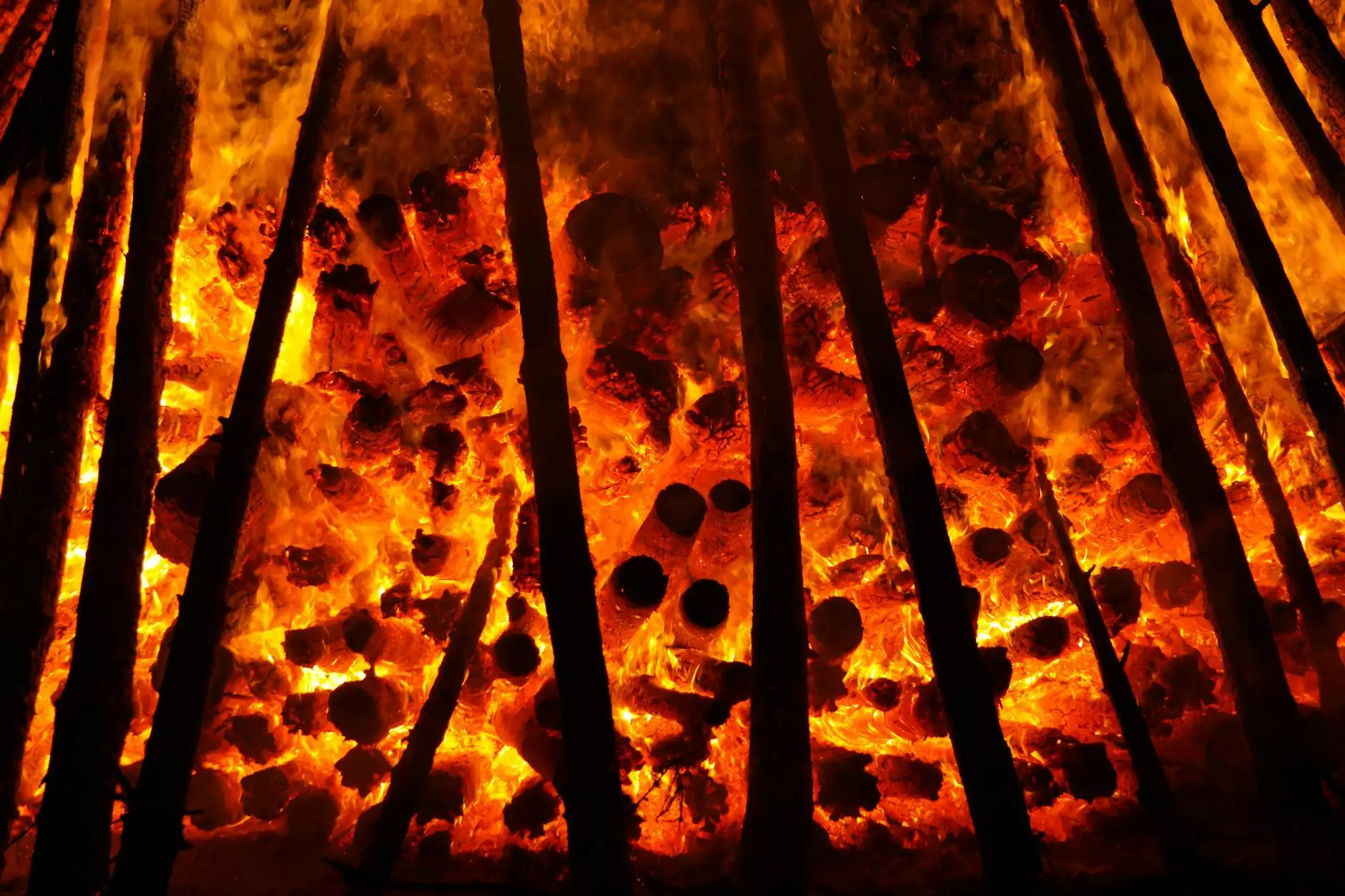
Everything You Need to Know About Firewood

Firewood has been an essential resource for humanity for thousands of years, providing warmth and fuel for cooking. In this comprehensive article, we will explore the types of firewood, their benefits, how to select quality firewood, and tips for efficient burning. Whether you’re a seasoned firewood user or a newcomer, navigating the world of firewood can be daunting. However, at wood-trans.com, we strive to make your experience easier.
The Importance of Firewood
Firewood plays a crucial role in multiple facets of life, especially in regions where winter temperatures plunge. It serves not only as a source of warmth but also contributes to the ambiance of gatherings and outdoor activities. Here are some key reasons why firewood is invaluable:
- Energy Source: Firewood is a renewable energy source, making it an eco-friendly alternative to fossil fuels.
- Affordability: In many areas, firewood is more economical compared to electricity or gas heating.
- Accessibility: With the right tools and knowledge, procuring firewood can be an easy task.
- Cultural Significance: Firewood has been part of many cultural practices, enhancing gatherings and celebrations.
Types of Firewood
When considering firewood, knowing the different types available is essential. Firewood can be broadly categorized into two main groups: hardwood and softwood. Each type has distinct characteristics that make it suited for various uses.
Hardwood
Hardwoods come from deciduous trees that shed their leaves annually. They are generally denser and burn longer and hotter than softwoods, making them ideal for heating and cooking. Examples of hardwoods include:
- Oak: Known for its durability and high heat output.
- Maple: Provides a steady burn and pleasant aroma when burned.
- Hickory: Offers exceptional heat and is popular for smoking meats.
- Walnut: Burns hot with a rich, aromatic smoke.
Softwood
Softwoods are derived from coniferous trees, which typically have needles instead of leaves. They ignite easily and are great for kindling but tend to burn faster and produce more creosote, which can build up in chimneys. Common softwoods include:
- Pine: Lights quickly and produces a pleasant scent.
- Spruce: An affordable option that is easy to split.
- Fir: Burns bright and is commonly used in homes.
Selecting Quality Firewood
To ensure an optimal burning experience, selecting the right firewood is critical. Below are factors to consider when choosing firewood:
Moisture Content
The moisture content of firewood significantly affects its burning efficiency. Ideally, firewood should have a moisture content of less than 20%. You can check this using a moisture meter. If firewood is too wet, it will produce more smoke and less heat.
Seasoning
Seasoned wood is wood that has been allowed to dry out over time. Freshly cut wood, also known as "green wood," can take up to six months to a year to season properly. Properly seasoned firewood is crucial for combustion efficiency and reducing creosote buildup in your chimney.
Size and Splitting
Firewood should generally be cut to lengths of 16 to 24 inches, depending on your fireplace or stove size. Splitting the wood into smaller pieces increases the surface area and helps it dry faster and burn more efficiently. Make sure your firewood is uniformly sized for consistent burning.
Benefits of Using Firewood
Utilizing firewood has numerous advantages that cater to both environmental and individual preferences:
- Eco-Friendly: Firewood is renewable and can reduce your carbon footprint when sourced sustainably.
- Cost-Effective: It can be less expensive than other heating methods, especially if you harvest it yourself.
- Versatility: Firewood can be used for various purposes, including heating your home, cooking, or enjoying outdoor fires.
- Enhancing Experiences: Firewood contributes to a cozy atmosphere and memorable experiences during gatherings.
Tips for Efficient Firewood Burning
To maximize the benefits of your firewood, consider the following tips for efficient burning:
- Build a Proper Fire: Use dry kindling, then layer your larger pieces of wood in a crisscross pattern to allow airflow.
- Avoid Burning Treated Wood: Treated or painted wood can release toxic chemicals when burned.
- Store Properly: Keep firewood off the ground and covered to prevent moisture absorption.
- Regularly Clean Your Chimney: This reduces the risk of chimney fires and ensures efficient smoke ventilation.
Where to Buy Firewood
When looking for high-quality firewood, you want a provider that prioritizes sustainability and quality. At wood-trans.com, we specialize in various firewood types, ensuring the best products for your needs. Our firewood is:
- Well-Seasoned: All firewood is dried and ready to burn.
- Locally Sourced: We prioritize sustainable harvesting from local forests.
- Affordable: Our prices are competitive without compromising quality.
Conclusion
Firewood remains a vital part of our lives, providing warmth, enhancing the environment, and supporting cultural practices. Whether you are preparing for winter or planning a cozy gathering by the fire, understanding the nuances of firewood—from types to choosing the best product—can significantly enhance your experience. For all your firewood needs, trust wood-trans.com to provide quality and service that exceeds your expectations.
https://wood-trans.com/