Unlocking the Potential of Your Japanese Vehicle with Quality Auto Parts
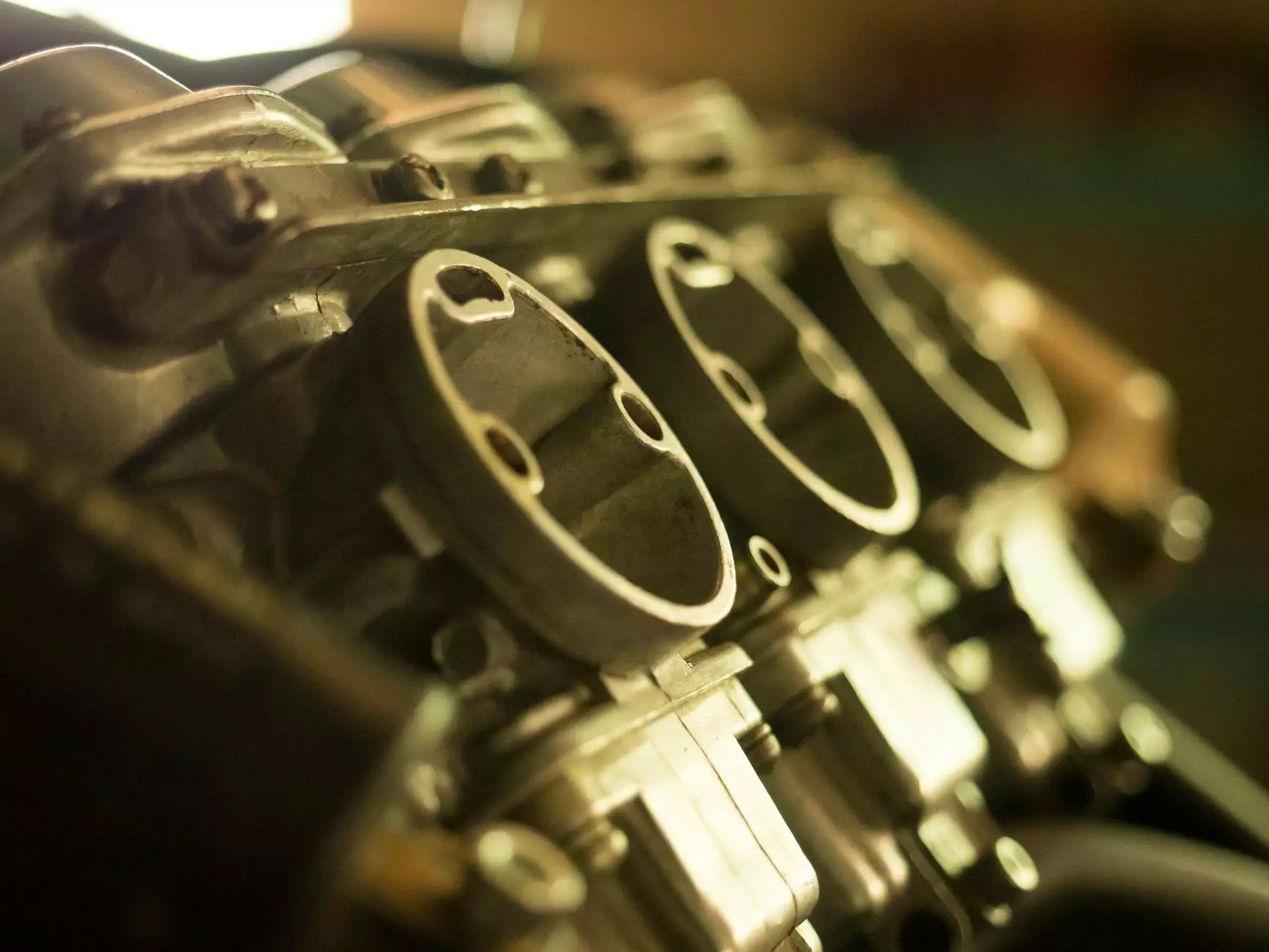
When it comes to maintaining and enhancing the performance of Japanese vehicles, auto parts for Japanese vehicles play a vital role. Known for their engineering excellence and reliability, Japanese cars—such as Toyota, Honda, Nissan, and Subaru— have gained immense popularity worldwide. To ensure these vehicles stay in peak condition, using high-quality auto parts is essential. This article explores the diverse range of auto parts for Japanese vehicles and how they significantly contribute to your vehicle's performance, safety, and longevity.
The Importance of Quality Auto Parts
Using quality auto parts is crucial for several reasons:
- Performance: High-quality parts ensure that your vehicle performs at its best. They provide better fitment, which translates to improved functionality.
- Safety: Quality parts reduce the likelihood of failures, helping you to avoid potentially dangerous situations on the road.
- Durability: Investing in quality translates to long-lasting components that withstand the rigors of everyday driving.
- Cost Efficiency: Although quality parts may have a higher upfront cost, they can save money in the long run by reducing the need for frequent replacements.
Types of Auto Parts for Japanese Vehicles
Japanese vehicles consist of numerous parts, each serving its unique purpose. Below, we categorize and describe the primary types of auto parts for Japanese vehicles:
1. Engine Components
The engine is the heart of any vehicle, and its components directly affect performance. Key engine parts include:
- Engine Oil Filters: Maintain the cleanliness of engine oil, ensuring the engine runs smoothly.
- Timing Belts: Critical for the engine’s operation, a worn timing belt can lead to severe engine damage.
- Water Pumps: Essential for preventing overheating by circulating coolant through the engine.
2. Transmission Parts
A well-functioning transmission is crucial for seamless gear shifting. Key components include:
- Clutch Kits: These manage the connection between the engine and transmission, crucial for smooth driving.
- Transmission Filter: Keeps dirt and debris from entering the transmission fluid, maintaining its cleanliness.
- Seals and Gaskets: Prevent leaks and ensure optimal operation of the transmission.
3. Brake Components
Brakes are one of the most vital safety features of any vehicle. Important brake parts include:
- Brake Pads: A critical component that provides the necessary friction to stop your vehicle.
- Brake Rotors: Disc-shaped components that work with brake pads to facilitate stopping.
- Master Cylinder: Responsible for generating hydraulic pressure, crucial for effective braking.
4. Suspension and Steering Parts
These components ensure a smooth ride and precise handling. Key parts include:
- Shock Absorbers: Help in stabilizing the vehicle and controlling its motion.
- Ball Joints: Allow for flexible movement in the steering system, improving maneuverability.
- Control Arms: Essential for the connection of the vehicle's suspension to its chassis.
5. Electrical Components
Modern vehicles rely heavily on electrical systems. Important electrical parts include:
- Batteries: Provide the necessary power to start the vehicle and run electrical components.
- Alternators: Recharge the battery while the engine is running.
- Starter Motors: Initiate engine operation; a vital electrical component for starting your vehicle.
Where to Buy Quality Auto Parts for Japanese Vehicles
Finding reliable suppliers of auto parts for Japanese vehicles is essential for ensuring quality and performance. Here are several avenues to explore:
1. Authorized Dealerships
Authorized dealerships often provide original equipment manufacturer (OEM) parts, which ensure the highest quality and compatibility. While they may be pricier, you can trust that these parts meet stringent quality standards.
2. Online Retailers
Reputable online auto part retailers, such as 1autoparts.com, offer a vast array of products, often at competitive prices. Look for customer reviews and specifications to ensure you are purchasing the right parts.
3. Local Auto Parts Stores
Local stores may offer convenience and the opportunity to consult with knowledgeable staff. Confirm if they stock high-quality brands and if they have good return policies.
4. Auto Salvage Yards
Salvage yards can be a cost-effective option for certain parts. However, it’s essential to ensure that the parts are in good condition and can perform well.
Understanding the Benefits of Aftermarket Parts
Aftermarket parts can be an excellent alternative to OEM parts. They are manufactured by third parties and can offer significant benefits:
- Cost Savings: Aftermarket parts are often less expensive than OEM parts while providing comparable quality.
- Performance Enhancements: Some aftermarket components can improve performance and efficiency beyond the original specifications.
- Variety: Aftermarket parts come in many options, allowing consumers to choose based on budget and performance needs.
Maintaining Your Japanese Vehicle with Quality Parts
To maximize the lifespan and performance of your Japanese vehicle, regular maintenance is crucial. Here are some essential tips:
1. Regular Inspections
Conduct regular inspections of your vehicle, focusing on critical components like brakes, suspension, and engine parts.
2. Timely Replacements
Replace worn parts promptly to prevent further damage to your vehicle. Signs of wear often include strange noises, decreased performance, or warning lights on your dashboard.
3. Use Quality Fluids
Utilizing the right quality fluids—such as engine oil, brake fluid, and coolant—is just as important as the parts themselves. Quality fluids ensure the efficient operation of all components.
4. Follow Manufacturer Guidelines
Adhere to the manufacturer's recommendations concerning maintenance intervals and part replacements. This will ensure that your vehicle continues to perform optimally.
Conclusion
Investing in auto parts for Japanese vehicles is essential for ensuring your vehicle remains reliable, safe, and high-performing. Whether you choose OEM parts for their guaranteed quality or aftermarket options for cost savings, the key is to prioritize quality and compatibility. Discovering reputable suppliers such as 1autoparts.com can simplify your search for premium parts. By caring for your vehicle with the right components and regular maintenance, you can ensure a long and trouble-free driving experience.
auto parts japanese vehicles