The Lucrative Landscape of Anesthesiologist Jobs
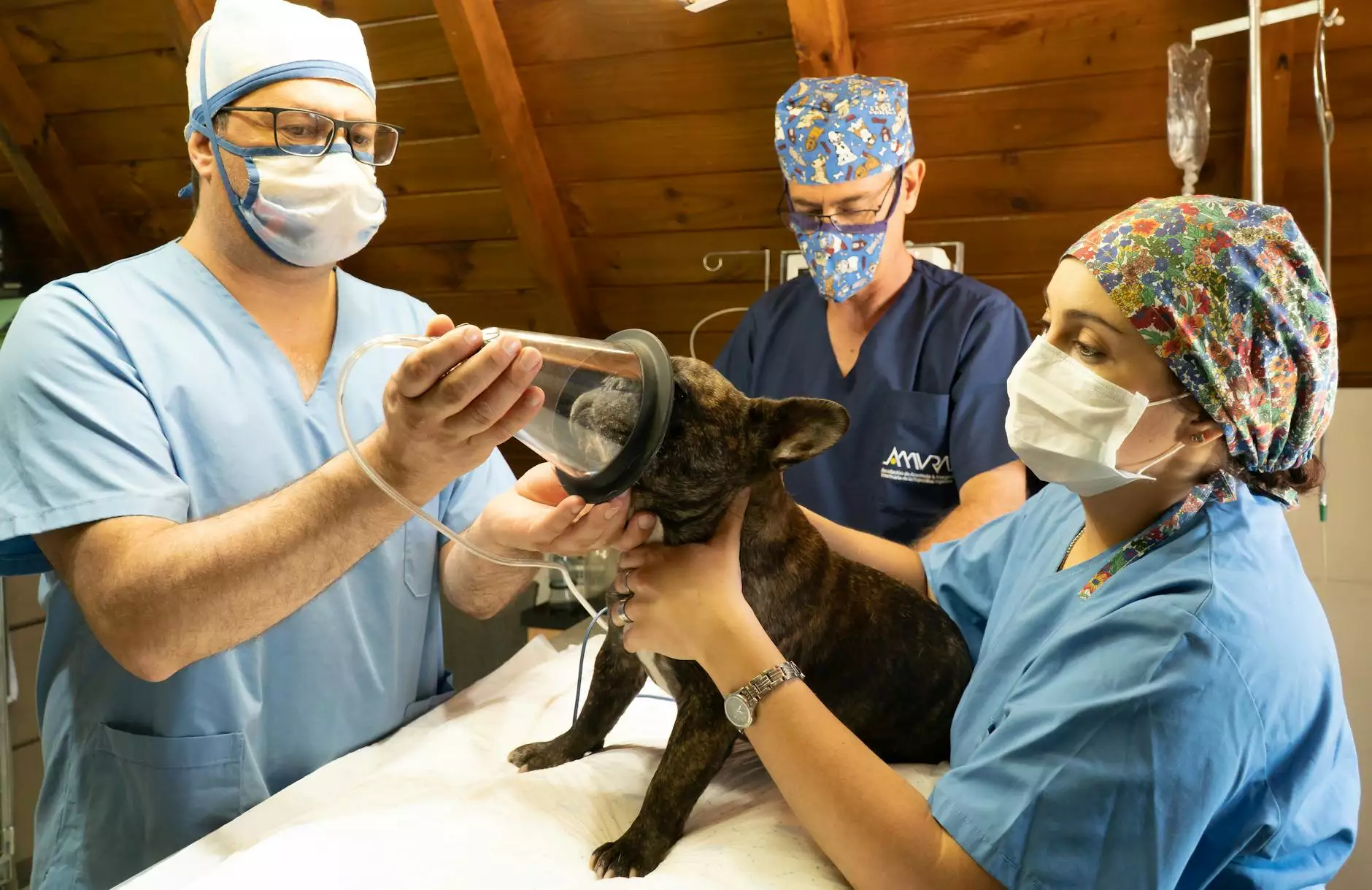
Anesthesiologist jobs present an exceptional career opportunity for those passionate about medicine and patient care. As a critical component of surgical teams, anesthesiologists play a pivotal role in ensuring patients experience a smooth, pain-free journey during operations. In this comprehensive article, we will explore the many facets of anesthesiology, including the responsibilities associated with these positions, the educational pathways to achieve this role, salary expectations, job outlook, and much more.
Understanding the Role of Anesthesiologists
Anesthesiologists are specialized doctors responsible for managing pain and anesthesia during surgical procedures. Their duties extend beyond the operating room, encompassing various areas of patient care:
- Preoperative Evaluation: Before any procedure, anesthesiologists assess the patient’s medical history, current health status, and any potential risks associated with anesthesia.
- Administering Anesthesia: During the operation, anesthesiologists carefully monitor the patient’s vital signs and adjust anesthesia levels to ensure comfort and safety.
- Postoperative Care: After the surgery, they manage recovery from anesthesia and oversee any pain management needs.
- Emergency Response: Anesthesiologists are trained to handle emergencies in the operating room, ensuring patient safety at all times.
The Educational Path to Becoming an Anesthesiologist
Embarking on a career as an anesthesiologist requires significant educational commitment. Here’s a detailed overview of the necessary steps:
1. Undergraduate Education
The journey begins with a bachelor's degree in a relevant field, typically focused on pre-medical studies. Courses in biology, chemistry, and physics will lay a strong foundation for medical school.
2. Medical School
Upon completing an undergraduate degree, aspiring anesthesiologists must attend a medical school, where they will earn a Doctor of Medicine (MD) or Doctor of Osteopathic Medicine (DO) degree. This stage typically lasts four years, consisting of classroom education and clinical rotations.
3. Residency Training
After medical school, graduates must complete a residency program in anesthesiology, which typically lasts four years. This hands-on training is crucial for developing the skills necessary for this demanding profession.
4. Board Certification
To practice as an anesthesiologist, candidates must pass the Board Certification Examination conducted by the American Board of Anesthesiology (ABA). Certification is a testament to the physician's expertise and capability in the field.
Salary Expectations and Job Outlook
Anesthesiologists are among the highest-paid medical professionals. According to recent statistics, the average salary for anesthesiologists in the United States ranges from $300,000 to $450,000 annually, depending on experience, location, and employment settings. Factors influencing salary include:
- Geographic Location: Salaries may vary based on demand in different regions.
- Healthcare Setting: Anesthesiologists employed in hospitals often earn more than those in private practices.
- Experience: With increased experience and fellowship training, salaries can significantly rise.
The job outlook for anesthesiologists remains robust, with a projected growth rate of approximately 7% over the next decade. The demand for anesthesiology services continues to rise, driven by an aging population and advancements in surgical techniques.
The Advantages of Anesthesiologist Jobs
Choosing a career in anesthesiology comes with numerous benefits, making it an attractive option for many medical professionals:
- High Earning Potential: As mentioned earlier, anesthesiologists enjoy significant financial compensation.
- Impactful Work: Anesthesiologists play a critical role in patient care, providing comfort and safety during surgeries.
- Variety of Work Environments: Anesthesiologists can work in diverse settings ranging from hospitals to outpatient surgical centers.
- Growth Opportunities: With sub-specialties such as pediatric anesthesiology or pain management, there are various paths for continuous professional development.
Challenges Faced in Anesthesiology
While the rewards are substantial, there are challenges associated with anesthesiology that must be considered:
- High-stress Environment: Anesthesiologists often work in high-stakes scenarios where quick decision-making is crucial.
- Long Hours: The nature of surgical procedures can lead to irregular hours and on-call responsibilities.
- Continuous Learning: The field of anesthesiology is ever-evolving, requiring ongoing education and training to stay current with new techniques and technologies.
Networking and Job Opportunities
For professionals seeking anesthesiologist jobs, networking plays a vital role in finding opportunities. Engaging with peers at medical conferences, joining relevant societies, and utilizing online job portals can significantly enhance job prospects.
Resources for Job Seekers
Consider utilizing the following resources as you search for anesthesiology positions:
- Job Boards: Websites like Indeed and Glassdoor regularly list open positions.
- Professional Associations: Organizations such as the American Society of Anesthesiologists provide networking opportunities and job listings.
- Recruitment Agencies: Consider specialized recruitment firms focused on healthcare careers for personalized job search assistance.
Preparing for Interviews in Anesthesiology
Preparing for an interview in anesthesiology involves understanding both the technical and non-technical aspects of the role. Here are some tips to make a lasting impression:
- Research the Employer: Familiarize yourself with the hospital or clinic’s mission, values, and recent news.
- Practice Common Interview Questions: Be ready to discuss case studies, your approach to patient care, and your familiarity with different anesthesia techniques.
- Demonstrate Teamwork Skills: Emphasize your ability to work collaboratively with the surgical team and communicate effectively under pressure.
Conclusion: The Right Time to Explore Anesthesiologist Jobs
As you consider your career options, keep in mind that anesthesiologist jobs not only offer a lucrative salary and impactful work but also present a vital role in the healthcare system. With a growing demand for skilled anesthesiologists, this is an opportune time to explore what a career in anesthesiology has to offer.
For more resources on finding anesthesiologist careers and other healthcare professions, visit job4u.ae, where we provide comprehensive support in navigating your career path in medical professions.